What Responsible Tourism Actually Means in Maasai Land
The word 'responsible' gets used a lot in safari marketing. We think it deserves a clearer definition. Here is what it means in practice when you travel with us — from how we pay our guides to how we handle waste in the highlands.
Every safari company calls itself responsible. It has become a marketing word — vague enough to mean anything, specific enough to sound reassuring. We think it deserves a clearer definition. Not because we want to criticise other operators, but because we think travellers deserve to know what they are actually buying.
For us, responsible tourism starts with how we pay our people. Our guides earn a living wage — not a tip-dependent income. They receive training, equipment, and support. When a guide has been with us for five years, they have equity in what we are building. This is not charity. It is the only model that produces guides who genuinely care about the experience they are delivering.
The difference between a guide who is paid properly and one who is not is visible within the first hour of a game drive. A well-paid guide is relaxed, curious, and generous with their knowledge. They stop when something interests them, not just when something interests the guest. They tell you things you did not know to ask about. A guide who is worried about tips is performing. A guide who is paid fairly is sharing.
Responsible tourism extends to how we handle waste. In the highlands, there is no municipal waste collection. Everything you bring in, you bring out. We carry sealed waste containers on every vehicle and every camp. We do not bury, burn, or leave anything behind. This sounds obvious. It is not universally practised.
It means asking permission before we enter a community, and meaning it. We have relationships with the villages we visit that go back years. We do not show up unannounced. We do not treat communities as attractions. We visit as guests, and we behave accordingly. When a community tells us they are not available, we do not go. When they ask us to limit our group size, we do.
It means being honest about what we cannot do. We cannot guarantee a lion sighting. We cannot promise the migration will be at the crossing when you arrive. We can promise that the experience will be real — unhurried, unscripted, and led by people who have spent their lives in this landscape. We will not manufacture drama or rush you past something extraordinary because the schedule says it is time to move.
It means thinking about the long-term health of the places we operate in. We limit our vehicle numbers in the crater. We do not off-road to get closer to wildlife. We do not visit the same community every day. We rotate our routes to reduce pressure on specific areas. These decisions cost us money in the short term. We believe they are the reason we will still be operating in twenty years.
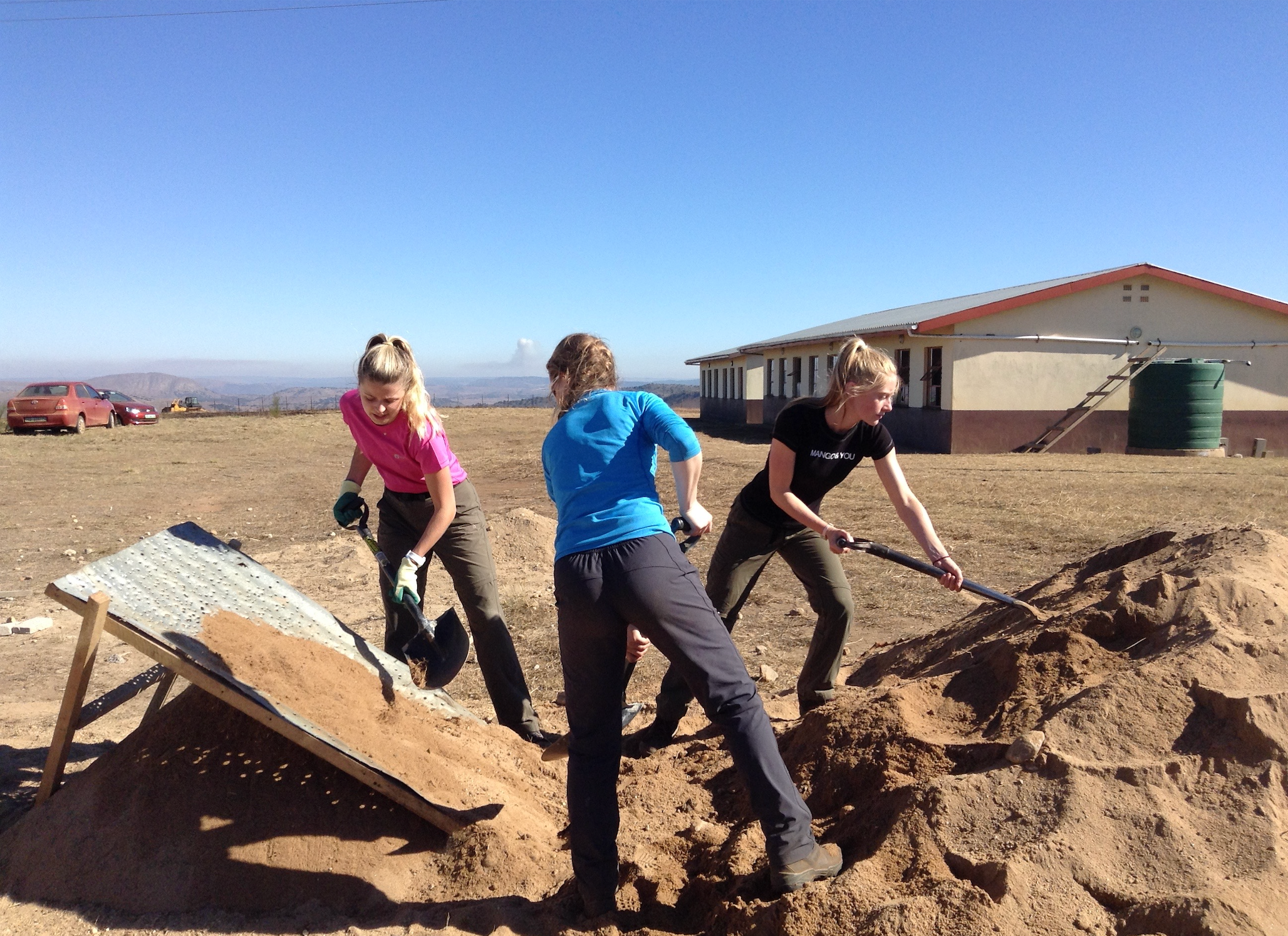
It means supporting the school in Monduli Juu. Buying vegetables from the women's cooperative. Hiring the mechanic from the village rather than the one from Arusha. The economic footprint of a safari company is enormous relative to the communities it operates in. Where that money goes matters.
Responsible tourism is not a certification or a marketing claim. It is a set of daily decisions. We make them imperfectly, and we are always learning. But we make them deliberately — and we think that matters. If you are choosing between operators and one of them can answer the questions in this article specifically, with numbers and names and examples, that is the one to book with.
Ready to experience Tanzania?
Let us plan your journey.